

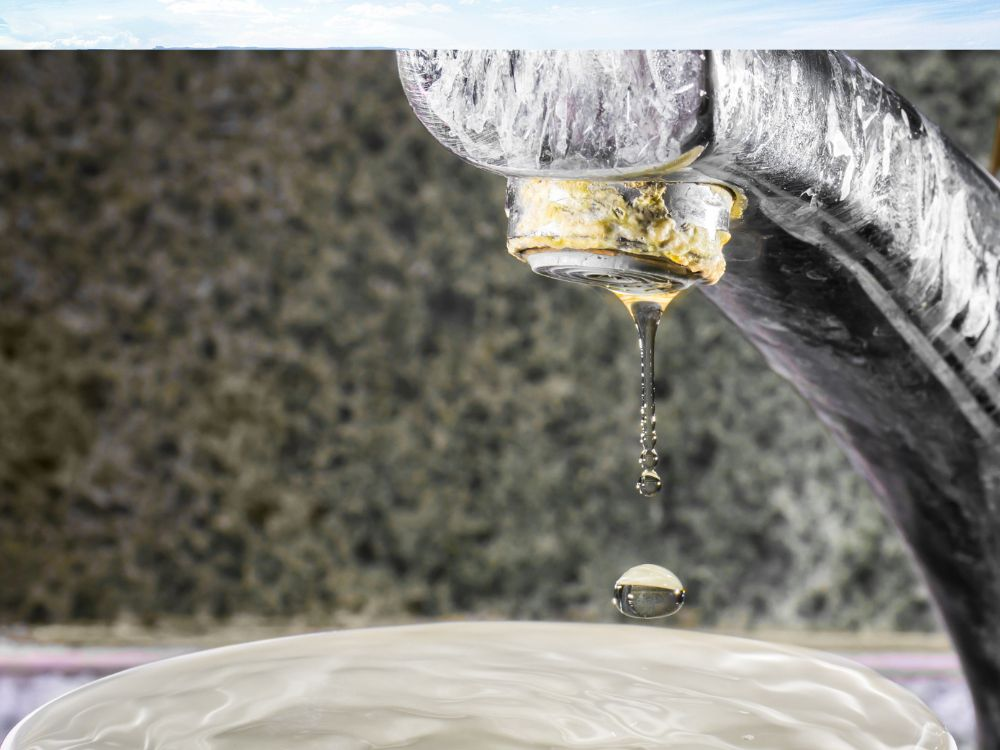
Phoenix hard water facts matter more than trivia because minerals hit your wallet every day. Calcium and magnesium push hardness past fifteen grains per gallon. That level corrodes water heaters, fades laundry, and leaves stubborn scale rings on fixtures. Lather struggles, detergents waste, and appliances fail early. Knowing the numbers guides you toward cost-cutting, comfort-boosting fixes.
Understanding Phoenix’s Water Source and Mineral Load
Arizona taps two main supplies. The Central Arizona Project pipes Colorado River water hundreds of miles. The Salt River Project blends mountain runoff with deep municipal wells. Each route adds its mineral signature.
Calcium and magnesium dissolve easily in these desert waters. Their combined load often measures fifteen to twenty grains per gallon. That number places Phoenix among the hardest big-city supplies in America. High pH keeps many metals in solution, so the water reaches homes clear but aggressive.
Summer heat boosts demand. Operators pump more well water that arrives even harder than river blends. Chlorine is used to control microbes in longer pipelines. Seasonal swings explain why hardness spot tests jump a few grains between January and August. Pristine Water Softeners tracks those shifts to size equipment properly.
Why High Grains per Gallon Hurt Plumbing and Appliances
Hard minerals crystallize inside hot pipes and tanks. They steal heat, clog valves, and force every appliance to work harder.
Energy Loss in Water Heaters
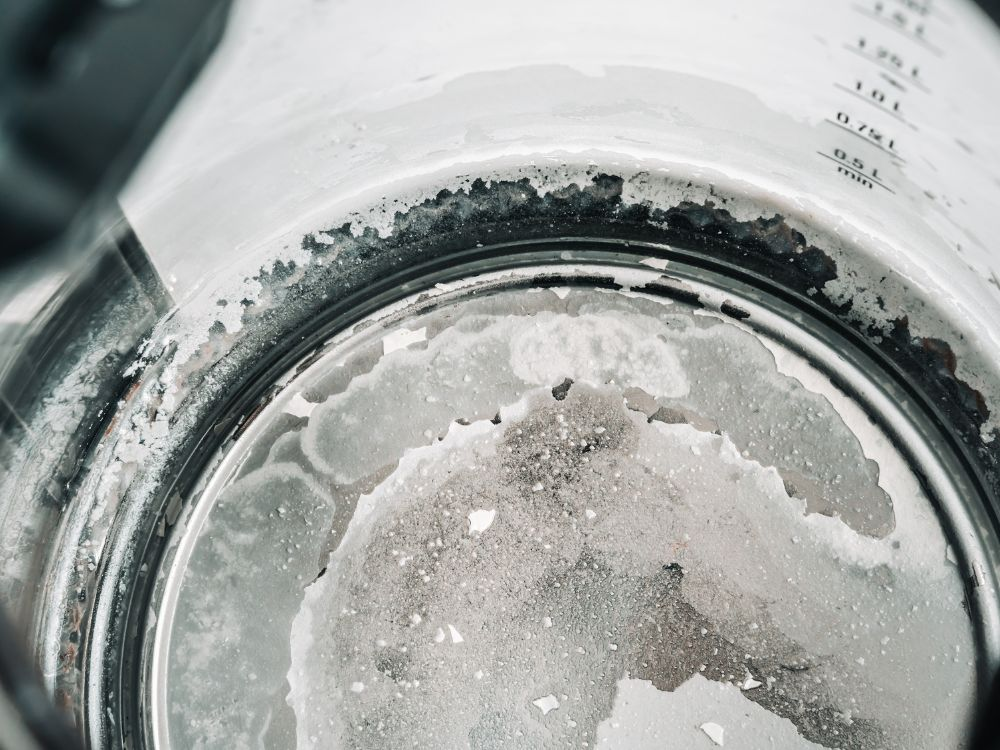
Scale forms a rock-hard jacket on heating elements. Just one-eighth inch can raise energy use by ten percent. The heater runs longer, yet showers still cool quickly. Sediment also traps bacteria that cause foul odor in rods. A salt-based softener strips minerals before they meet the tank, saving power and extending warranty coverage.
Reduced Lifespan of Dishwashers and Ice Makers
Hard water spots look harmless but signal deeper trouble. Minerals crust spray arms and clog tiny channels that rinse dishes and fill ice trays. Motors strain, gaskets crack, and leaks appear long before the appliance’s rated life. A conditioner or softener prevents buildup, keeping cycles efficient and repair bills low.
Common Signs Your Home Battles Hard Water
Mineral buildup rarely hides. These clues show up in every room:
- Cloudy glassware that needs hand buffing
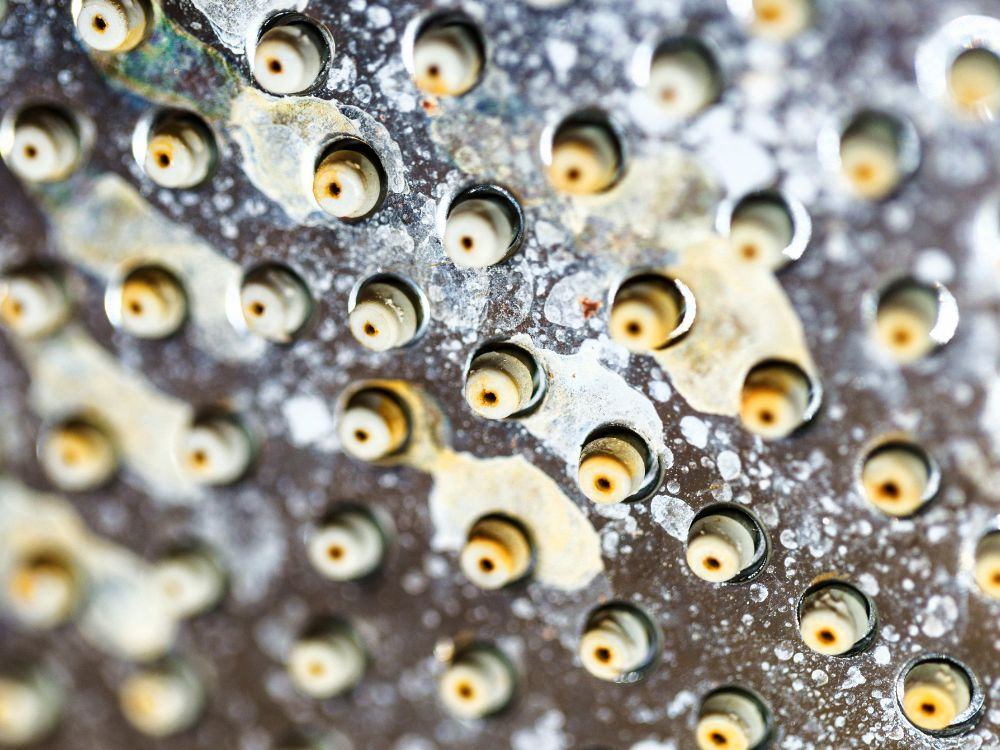
- White rings on faucets and shower doors
- Soap that refuses to lather or rinse clean
- Itchy skin and dull, flat hair after bathing
- Laundry colors that fade faster than expected
- Slow pressure as aerators clog with gritty scale
Testing Methods: DIY Kits vs. Professional Analysis
Knowing the exact hardness level turns guesses into action. Two popular approaches fit most budgets and timelines.
DIY Strip Test Kits
Hardware stores sell paper strips that change color in seconds. Dip a strip under the kitchen tap and match the shade to a chart. Results appear in grains per gallon or parts per million. Accuracy sits within one grain, good enough for a quick check before buying detergent boosters. Strips cost little and help renters confirm landlord claims.
Professional In-Home Water Test
Pristine technicians bring calibrated meters and reagent droppers. They measure hardness, chlorine, pH, and total dissolved solids on the spot. The visit pinpoints issues strips miss, such as trace metals or temperature effects. A printed report compares readings with city averages and appliance specs. Homeowners leave with clear treatment options and exact pricing, not ballpark guesses.
Proven Hard Water Treatment Options for Phoenix
Scale prevention takes more than bottled descalers. Three system types solve hardness at different depths and budgets.
Salt-Based Water Softeners
Ion-exchange tanks swap calcium and magnesium for a pinch of sodium. Hardness drops to near zero, ending the scale entirely. Modern meters regenerate only when needed, cutting salt use. Pristine offers units sized for one to five bathrooms, each backed by long warranties and local service support.
Salt-Free Conditioners
Template Assisted Crystallization keeps minerals suspended so they rinse away. No salt, no brine, and almost no pressure loss. Conditioners suit eco-minded owners or homes under twenty-five grains. Pairing them with a carbon filter improves taste while safeguarding tankless heaters.
Reverse Osmosis Add-Ons
Point-of-use RO systems force water through a semi-permeable membrane. They remove up to ninety-nine percent of dissolved solids, including minerals, metals, and chlorine by-products. Home chefs and coffee lovers notice the flavor upgrade instantly. RO faucets combine well with whole-house softeners for the purest glass in Arizona.
FAQs: Hardness Levels, Salt Use, and Warranty Coverage
How hard is Phoenix water, and when should I act?
Phoenix hard water facts put average hardness between fifteen and twenty grains per gallon, though some wells test above twenty-five. Anything over ten grains starts leaving visible scale on faucets and shower doors, so action is worthwhile well before the “very hard” threshold.
A quick strip test gives a ballpark figure, but Pristine’s free in-home analysis nails the exact gpg, chlorine, and TDS levels at your kitchen sink. Armed with those numbers, technicians size resin capacity or TAC media properly, preventing premature regeneration and wasted salt while guaranteeing full-scale removal.
Does softened water add too much salt to my diet?
Ion exchange swaps hardness minerals for sodium, yet the added salt is tiny: softening eighteen-grain water introduces roughly 30–40 mg of sodium per eight-ounce glass, about the same as a slice of white bread. Health agencies consider that negligible for most people, but low-sodium households can choose potassium chloride pellets or pair a reverse-osmosis faucet for near-zero sodium cooking water.
Smart metered valves further cut salt use by regenerating only when the resin bed is 80 percent spent, trimming annual pellet consumption by up to 15 percent compared with timer units.
What warranty coverage comes with Pristine Water Softeners?
Pristine shields each installation with layered protection: tanks and resin media carry a ten-year manufacturer warranty, digital control valves are covered for five years, and all labor and fittings include a one-year service guarantee.
Extended care plans add annual performance checks, discounted salt delivery, and priority repair response for the system’s life. Warranties stay with the address, so new homeowners inherit the coverage, a strong selling point if you plan to move within a decade. All claims route through Pristine’s local office without third-party hassles or long hold times.
Hard Water Clarity: Turning Phoenix Facts into Home Wins
Phoenix hard water facts tell a clear story of mineral overload, scale damage, and rising costs. Learning those numbers turns frustration into a plan that protects pipes, laundry, and skin. Salt-based softeners erase the mineral threat while salt-free conditioners curb scale for eco-minded families.
Reverse-osmosis taps polish drinking flavor and cut hidden metals. Put data and treatment together, and your home runs smoother, tastes better, and saves money every month.
Tired of guessing what lives in your tap? Book a free in-home test with Pristine Water Softeners and see real numbers instantly. No strings, just clarity and custom solutions.