

Is Arizona Water Harming Your Home and Health? Here’s What You Need to Know
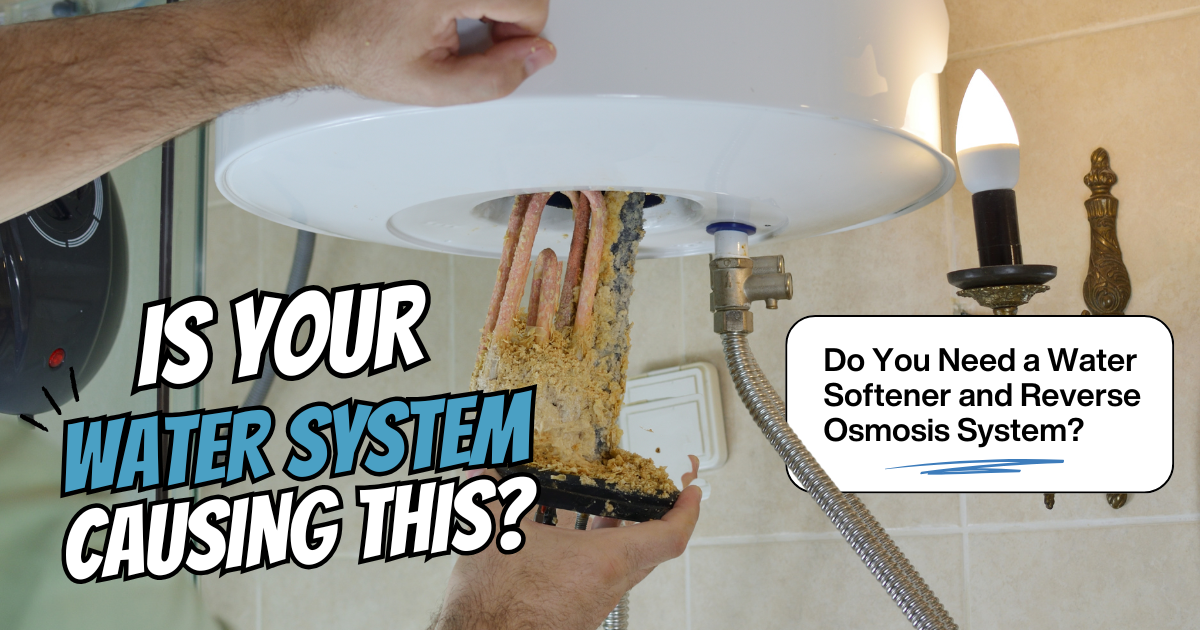
If you live in Arizona, you’ve likely seen the signs of hard water. You might notice white buildup around faucets. Your dishes may look cloudy after washing. Your skin might feel dry or itchy after a shower. These are not just small annoyances. They point to a bigger issue that can harm your plumbing and even affect your health.
This leads many homeowners to ask a simple but important question.
Do I need both a water softener and a reverse osmosis system?
It’s a smart question. You’ve probably heard of both systems. Maybe you’ve even installed one. But are they the same? Do they solve the same problems? Or should they be used together?
In this blog, we’ll compare reverse osmosis vs water softener systems in simple terms. We’ll explain what each system does. We’ll show how they work alone and how they work together.
What’s Really in Your Arizona Tap Water?
Arizona is known for more than just sunshine. It’s also known for tough water. That means your tap water is full of calcium and magnesium. These minerals build up inside your pipes, around your faucets, and even in your appliances.
But minerals aren’t the only concern.
Depending on where you live, your water may also carry other unwanted contaminants. These include chlorine, lead, nitrates, and even arsenic in some areas. Whether your home gets water from a well or the city, the quality can vary a lot.
That’s why a one-size-fits-all approach doesn’t work.
Some homes may only need a water softener. Others may need both a water softener and a reverse osmosis system. It all depends on what’s in your water.
Not sure what’s hiding in yours?
Pristine Water Softeners offers a free in-home water test for Arizona homeowners. This simple test shows you exactly what you’re dealing with. It helps you choose the right fix without guessing.
So if you’re wondering about reverse osmosis vs water softener, it starts with knowing what’s in your tap.
How Do These Systems Work?
What Does a Water Softener Do?
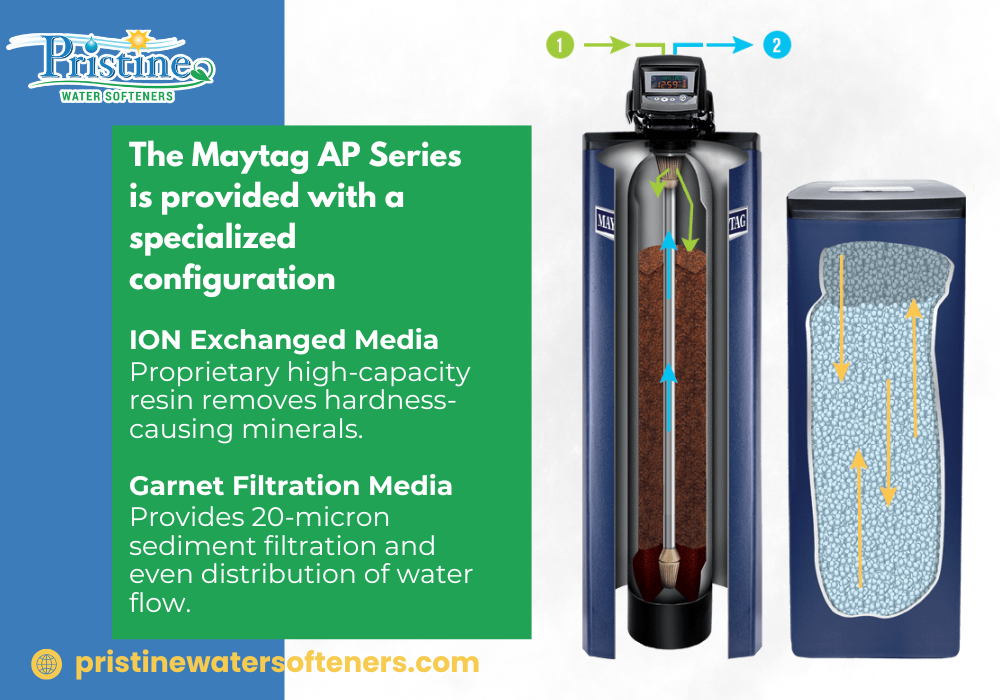
A water softener removes hard minerals like calcium and magnesium. These are the same minerals that leave white spots on glassware. They also clog pipes, dry out skin, and shorten appliance life.
How it works:
- Hard water passes through a tank filled with resin beads
- These beads attract and hold minerals using something called ion exchange
- The minerals are swapped out for sodium
- Then the system flushes itself clean with a saltwater rinse
You’ll notice changes right away. Your skin feels softer. Soap lathers better. Your water heater runs more efficiently. You stop seeing buildup around your faucets.
But a water softener doesn’t clean your water. It doesn’t remove things like chlorine or lead. That’s where RO comes in.
What Is a Reverse Osmosis System?
An RO system is all about filtration. It removes things a softener can’t. That includes lead, chlorine, fluoride, nitrates, arsenic, and many other contaminants.
How it works:
- Water flows through multiple filters
- A fine membrane catches tiny particles and chemicals
- The system removes up to 99% of impurities
- The clean water flows to your faucet
- The rest is flushed away
You get clean, pure-tasting water right from your tap.
But RO has a limit. It doesn’t soften your water. If you still have hard water, you’ll get clogs and wear on the RO membrane. That’s why it’s smart to use a water softener and reverse osmosis system together.
So, can RO alone fix all your water issues?
Not really. It cleans water for drinking, but doesn’t protect your pipes or appliances. That’s why many homes use both systems. One to soften. One to purify.
Reverse Osmosis vs Water Softener: What’s the Difference?
If you’re deciding between a reverse osmosis system and a water softener, it helps to see how they stack up. Here’s a quick comparison.
| Feature | Water Softener | Reverse Osmosis System |
| Purpose | Removes hard minerals | Filters out harmful contaminants |
| Benefits | Stops scale. Protects plumbing. Saves appliances. | Removes chlorine, lead, and arsenic—better-tasting water. |
| Limitations | Does not remove chemicals or bacteria | Does not remove hard minerals |
| Application | Whole-house solution | Point-of-use, usually at the kitchen sink |
Let’s Talk About Trade-Offs
When comparing a water softener and reverse osmosis system, it’s important to think beyond just benefits.
- Sodium: Softeners add a small amount of sodium. This may concern people on a low-sodium diet.
- Remineralization: RO systems may remove good minerals. Some add a post-filter to fix this.
- Wastewater: RO systems create some wastewater during filtration.
- Cost: Softeners protect pipes and reduce long-term repair costs. RO gives you safer drinking water.
Which Should You Prioritize?
That depends on your water and your needs.
If your goal is better skin, cleaner laundry, and longer appliance life, start with a softener. If your goal is safe, pure drinking water, an RO system is key. For most Arizona homes, the best solution is both.
A water softener and reverse osmosis system work better together. One treats your whole home. The other treats what goes into your body.
Why Using Both Systems Is the Smart Move?
Some homeowners ask if using a water softener and reverse osmosis system is too much. The truth is, it’s often the most complete solution.
Here’s why.
They Solve Different Problems
A water softener removes hard minerals. That protects your pipes, water heater, and washing machine. It keeps your faucets free from buildup. It also helps your soap and shampoo work better.
A reverse osmosis system removes chemicals, heavy metals, and other hidden dangers. It gives you clean, clear, safe drinking water. You can taste the difference.
So when you look at reverse osmosis vs water softener, you’ll see that each handles something different. One doesn’t replace the other.
They Work Better Together
When used together, they support each other.
- The softener makes the RO system last longer
- The RO system finishes the job by purifying your drinking water
- You get softer skin and cleaner water in every room
- You protect your family and your plumbing at the same time
It’s a system that works from the outside in and the inside out.
What Arizona Homeowners Are Saying?
Users often mention one key thing. When RO systems are used without a softener, the membrane clogs up faster. Scale builds up. Filter costs go up.
And if you’re worried about sodium from the softener, RO takes care of that, too. It filters it out before you drink it.
So you don’t have to choose between health and home care.
Is It Overkill?
Not at all. Using both is about using the right tool in the right place. It’s like using a filter and a screen. One stops the big stuff. One catches the rest.
If you’re serious about your water, the choice is clear.
A water softener and reverse osmosis system protect your investment, your comfort, and your health.
What’s the Real Cost of Clean Water?
Upfront Costs
- A water softener system usually starts around $900 to $2,500
- A reverse osmosis system ranges from $300 to $800 for under-sink models
- Professional installation may cost extra, depending on your home setup
Yearly Maintenance Costs
- Water softeners need salt. Expect to spend about $50 to $100 per year
- RO systems use filters and a membrane. Filters cost about $80 to $120 per year
- The RO membrane lasts about 2 to 3 years. It costs around $60 to $100 to replace
Using a water softener and reverse osmosis system does add some upkeep. But it’s simple, and it saves money over time.
Long-Term Savings
Softened water helps your appliances last longer. It also reduces repairs. You’ll use less soap, detergent, and shampoo. That saves money every month. You won’t need bottled water anymore. That adds up fast.
Let’s say your family buys five cases of bottled water a month. That’s at least $40 every month. Over a year, that’s almost $500. Over five years, it’s $2,500. That alone could pay for both systems.
What’s the Return on Investment?
- Lower plumbing costs
- Longer appliance life
- Better laundry results
- No more bottled water
You get clean water at every tap. You save time, money, and stress. That’s the value you can feel every single day.
How Are These Systems Installed?
A water softener is installed at the point of entry. That means right where water enters your home. It treats all your water. Every sink, shower, and appliance.
A reverse osmosis system is installed under your kitchen sink. It treats only the water that comes from that tap. This is the water you drink and cook with.
What’s the Installation Process Like?
Here’s how it works when you choose Pristine Water Softeners:
- Free in-home water test
We test your water and explain the results in simple terms - Custom system sizing
Your system is built to match your home and water needs - Professional installation
Our experts install everything fast, clean, and with care
- Ongoing support
We offer maintenance plans to keep your system running smoothly
We handle everything from start to finish. You don’t have to worry about a thing.
Is It Disruptive?
Not at all. Most water softener installations take about two to four hours. RO systems usually take one to two hours. We work fast and respect your space. You get clean, soft water without the stress.
Maintenance is simple, too. We remind you when it’s time to refill salt or replace filters.
So, whether you’re adding a softener, an RO, or both, the process is smooth and stress-free.
Are There Any Downsides?
What About Sodium in Softened Water?
Water softeners use salt to remove hard minerals. That adds a small amount of sodium to your water.
But here’s the truth. It’s a tiny amount. Much less than what’s in a slice of bread or a glass of milk.
Still worried?
Your reverse osmosis system filters out most of that sodium. So if you’re using both, it’s not a concern.
Does RO Waste Water?
Yes, a reverse osmosis system does create some wastewater.
That’s part of how it removes harmful contaminants.
But modern systems waste much less than older ones. And the water they give you is clean and safe.
Many Arizona homeowners feel the small waste is worth the peace of mind.
Will RO Remove Good Minerals Too?
Yes, RO removes most minerals. That’s part of why the water tastes so pure.
But you can add those minerals back. Some systems include a final filter that re-mineralizes the water. This helps balance pH and improves taste.
You still get clean water. Just with a little extra boost.
So, Are There Any Hidden Risks?
Not really. As long as your systems are installed correctly and maintained on time, they are safe. They do their job quietly, every day. No surprises.
A water softener and reverse osmosis system give you cleaner, safer water. That means fewer worries and more comfort.
Say Goodbye to Hard Water and Guesswork – Get Expert Help for Free!
Most Arizona homes suffer from hidden water issues. Hard minerals damage appliances. Unseen contaminants affect your health. But the fix is easier than you think.
Pristine Water Softeners offers a free in-home water test tailored to your specific needs. We’ll check your water and explain what’s in it. Recommend the best solution without any pressure or sales tricks. You’ll get clear answers and expert guidance from a local team you can trust.
Schedule your free water test now. Clean, soft, safe water is just one visit away.