

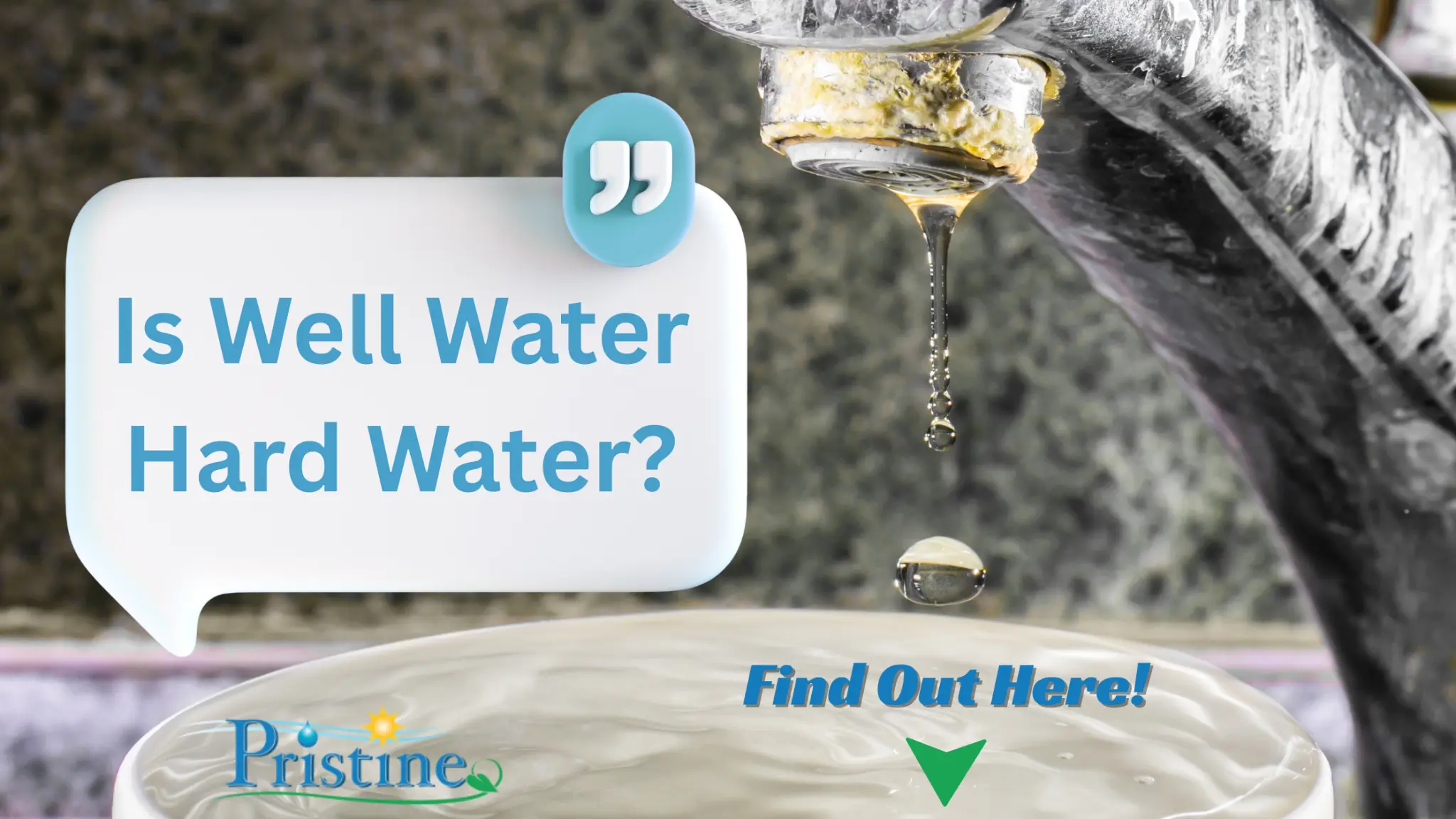
If you rely on a private well, you may ask: “Is well water hard water?” The truth is, in most cases, it is. Well water often passes through soil and rock, collecting minerals like calcium and magnesium along the way. These minerals are what make the water “hard.”
The effects of hard water show up in many areas of daily life. It leaves stubborn stains on sinks and faucets, reduces the efficiency of appliances, and can dry out your skin and hair. Over time, it also accumulates inside pipes, leading to costly plumbing issues.
In this guide, we’ll explore what makes well water hard and its impact on your home and health. We’ll also share the best solution to keep your water clean, soft, and safe.
What Is Hard Water?
Hard water is simply water that carries high amounts of minerals, mainly calcium and magnesium. These minerals are picked up as water flows through rocks and soil before reaching your home. While they are natural and safe to drink, they can cause many daily challenges.
You can often spot hard water through these signs:
- Leaves white stains on taps and fixtures.
- Soap doesn’t lather well, making cleaning harder.
- Scale buildup appears in kettles, heaters, and pipes.
Why Does Water Hardness Matter for Families?
Hard water affects comfort, health, and expenses. Families may spend more on soap, shampoo, cleaning supplies, and laundry detergent because the products don’t work as well. Laundry looks dull and feels stiff. Dishes often come out spotty.
Over time, scale inside pipes reduces water flow, leading to costly plumbing repairs. Appliances like water heaters and dishwashers also tend to wear out more quickly, resulting in higher replacement costs. Even skin and hair feel the impact, often becoming dry, itchy, or lifeless.
This is why understanding and treating hard water is so important for every household.
Hard Water vs. Soft Water
| Feature | Hard Water | Soft Water |
| Mineral Content | High in calcium and magnesium | Low in minerals |
| Cleaning Performance | Soap doesn’t lather well, leaves residue | Soap lathers easily, no residue |
| Appliances | Causes scale buildup, shortens lifespan | Protects appliances, improves efficiency |
| Plumbing | Deposits clog pipes and reduce water pressure | Keeps pipes clear and long-lasting |
| Personal Impact | Dry skin, dull hair | Softer skin, healthier-looking hair |
Is Well Water Hard Water?
Well water comes from underground, where it naturally flows through layers of soil, sand, and rock.
Along the way, it collects minerals such as calcium and magnesium. These minerals are safe to drink but cause hardness in water.
City Water vs. Well Water
| Water Source | Likely Hardness | Why It Matters |
| City Water | Often treated | Less mineral buildup |
| Well Water | Usually hard | High calcium and magnesium |
Do All Wells Have the Same Hardness Level?
Not all wells contain the same level of hardness. It depends on the type of rock and soil in the area. Some wells may have slightly softer water, while others can be extremely hard.
Even two homes in the same neighborhood may show different results. That’s why regular testing is the best way to know exactly how hard your well water is.
Common Signs Your Well Water Is Hard
Hard water leaves visible traces in your home, your laundry, and even your body. Let’s look at the most common signs.
Visible Effects Around the House
Hard water minerals build up quickly on surfaces. You might notice:
- White residue on sinks, showers, and tubs.
- Cloudy spots or streaks on dishes and glasses.
- Scale buildup on faucets and showerheads.
These marks are not just cosmetic. Over time, scale reduces water flow and damages fixtures.
Laundry and Cleaning Struggles
Hard water makes simple household chores more difficult. It often leads to:
- Clothes that feel stiff or rough after washing.
- Fabrics lose color and look faded sooner.
- Higher soap and detergent use with less cleaning power.
This means you spend more time, effort, and money just to keep laundry fresh.
Personal Impact
The effects also reach your skin and hair. Families with hard water often experience:
- Dry, itchy skin that feels uncomfortable.
- Irritates the scalp that causes flakes or itchiness.
- Hair that looks dull, flat, and harder to manage.
These daily struggles are frustrating, but the good news is that they point clearly to hard water. You can protect your home and improve comfort with the right solution.
The Effects of Hard Water on Your Home
The effects of hard water reach almost every part of daily life. Plumbing, appliances, and personal care all show the impact as they add up over time. Understanding these effects helps families see why treating hard water is so important.
Effects of Hard Water on Plumbing
When hard water flows through your pipes, minerals like calcium and magnesium cling to the inner walls. Over time, this forms a hard, chalky layer called scale.
- Scale buildup narrows pipes, reducing water flow.
- Pressure drops, and fixtures stop working as they should.
- Repairs become more frequent, leading to higher costs.
Families may not notice the damage right away, but plumbing problems caused by hard water can be expensive and frustrating.
Effects of Hard Water on Appliances
Appliances that heat or use water are most at risk. Hard water leaves scale inside heaters, dishwashers, and washing machines.
- Scale forces appliances to work harder, using more energy.
- Water heaters take longer to warm up, raising energy bills.
- Dishwashers and washing machines wear out faster and need earlier replacement.
This means more money spent on maintenance and higher monthly utility bills.
Effects of Hard Water on Skin and Hair
Hard water doesn’t just damage pipes and machines. It also affects comfort and personal care.
- Soap and shampoo don’t rinse off fully, leaving residue.
- Skin feels dry, rough, or irritated after bathing.
- Scalp irritation may cause itching or flaking.
- Hair looks flat, dull, and harder to manage.
These daily challenges can be discouraging, but they point clearly to one issue: untreated hard water. Solving it with the right system can improve both home comfort and personal well-being.
Hard Water vs. Soft Water: Cost Over Time
| Category | With Hard Water | With Soft Water |
| Dry skin, dull hair, and high costs of skincare products. | Frequent pipe clogs and leaks. High repair bills. | Clear pipes, fewer repairs, long-term savings. |
| Appliances | Shorter lifespan for heaters, washers, and dishwashers. | Appliances last longer and work efficiently. |
| Energy Bills | Higher bills due to scale buildup in heaters. | Lower bills with improved energy efficiency. |
| Cleaning Supplies | Need more soap, detergent, and cleaning products. | Require less soap and detergent |
| Personal Care | Dry skin, dull hair, and high costs of skincare products. | Softer skin, healthier hair, fewer extra products. |
How to Test If Well Water Is Hard?
There are several simple methods you can try.
DIY Tests
A quick at-home test is the soap lather test. Fill a clear bottle halfway with water, add a few drops of liquid soap, and shake. If the water stays cloudy or forms little foam, it’s a sign of hard water.
Water Test Kits
Use a water test kit for more reliable results. These kits are affordable, easy to use, and measure the hardness level in grains per gallon (GPG). The reading will tell you exactly how hard your water is.
Professional Testing
The most accurate option is professional testing. A certified lab or water specialist can test your well water for hardness and other possible contaminants. This gives a complete picture of your water quality.
What is the Easiest Way to Know Your Water’s Hardness Level?
The soap lather test offers a quick hint, but a test kit is the easiest and most reliable way for homeowners. It combines convenience, accuracy, and peace of mind at an affordable cost.
How to Fix Hard Well Water?
Once you confirm hardness, the next step is finding the right solution. Some fixes are temporary, but only one offers lasting protection.
Solutions Compared
| Solution | How It Works | Benefits |
| DIY Fixes | Temporary cleaning hacks | Short-term only |
| Filters | Remove some particles | Not for hardness |
| Water Softener | Remove calcium, magnesium | Long-term protection |
A Pristine Water Softener gives you pure, soft water that protects your home and family. Unlike filters or quick fixes, it eliminates the minerals that cause hardness. Also, extends the life of your plumbing and appliances while improving comfort every day.
FAQs
Is well water always hard water?
Not always, but most well water contains minerals that make it hard.
What are the effects of hard water on plumbing?
It causes scale buildup, clogs pipes, and increases repair costs.
Can I drink hard well water?
Yes, it’s safe to drink, but it can damage pipes and appliances.
What is the easiest way to test hard water?
A water test kit gives quick and reliable results.
What is the best solution for hard well water?
A water softener removes hardness minerals and protects your home.
Pure Water, Lasting Protection: Pristine Water Softeners
Pristine Water Softeners offers whole-home water treatment solutions. We install and service water softeners. We provide whole-house filtration and reverse osmosis systems.
What We Do
- Water softener sales and installation.
- Salt-free and salt-based system options.
- Whole-house filtration and drinking water systems.
- Reverse Osmosis System for clean drinking water.
- Testing, maintenance, and scheduled service visits.
Why Choose Pristine Water Softeners
- Local experts with years of experience.
- Large equipment selection to fit any home.
- In-house installation and service teams.
- Thousands of satisfied customers across the region.
Benefits You Will See
- Less scale and longer appliance life.
- Softer skin and better soap performance.
- Lower energy use from efficient heaters.
- Fewer plumbing repairs and less downtime.
Ready to protect your home and save money? Request a free quote or schedule a service visit today.